

By Ara Layseca
October 22, 2026
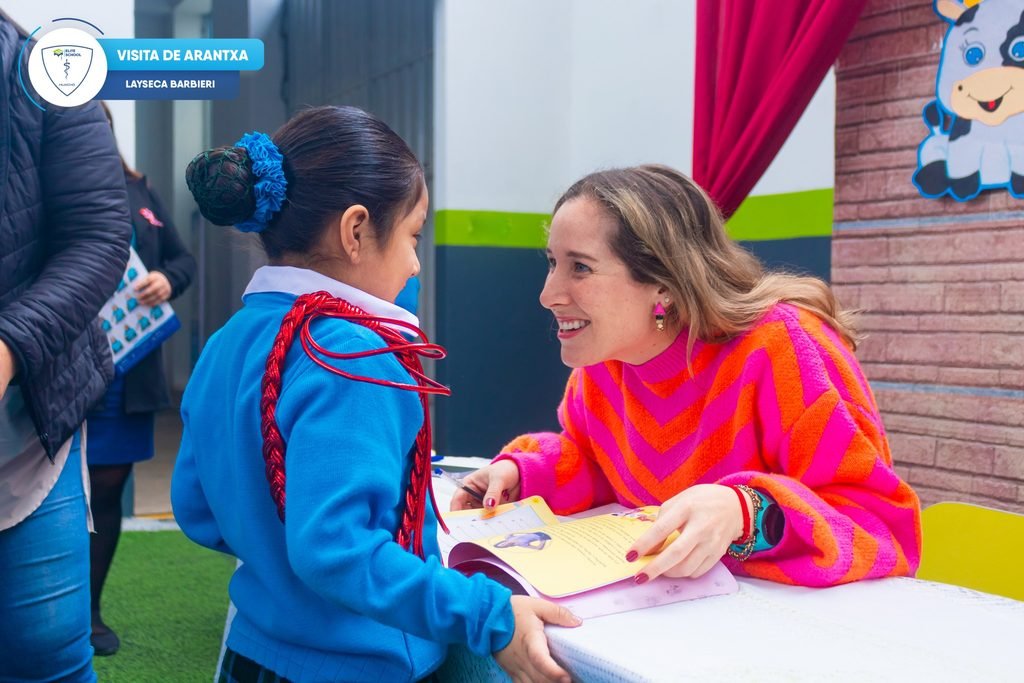
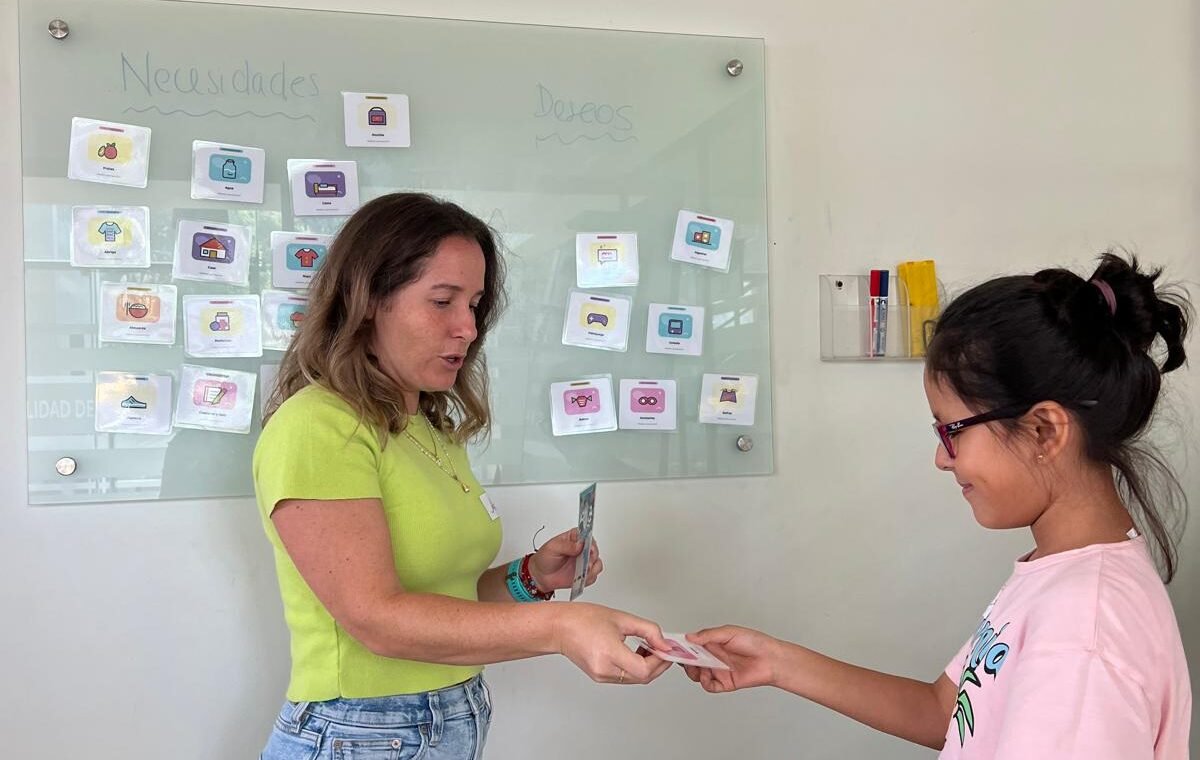
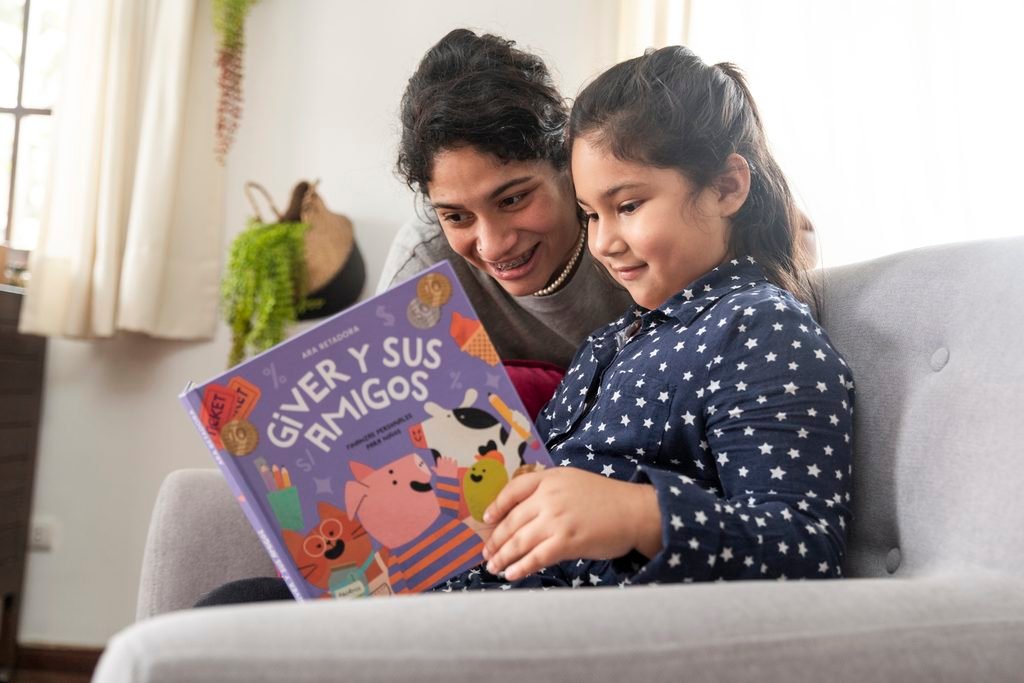
Our own photographs, showing some of our students and readers.
Every October 11 we mark the International Day of the Girl Child, a date that invites us to reflect on the opportunities we are building for today’s girls and tomorrow’s women.
At Edufina we want to use this date to talk about a topic we discuss less than we should: equal opportunities in our relationship with money.
Because when we think about closing gender gaps, we usually talk about access to education, job opportunities, representation or pay differences.
But there is another dimension that matters too: who learns to make financial decisions? Who feels capable of managing money, starting a business, saving for their goals or deciding how to use their resources?
And, above all, when do those capabilities begin to be built?
The answer may surprise us: long before adulthood.
According to the 2019 Peru National Financial Capability Survey, carried out by the Superintendency of Banking, Insurance and Private Pension Funds (SBS) and CAF, 41% of adult men reached an adequate level of financial knowledge, compared with 33% of women.
That is a difference of eight percentage points.
The survey assessed knowledge of financial concepts such as the time value of money, interest, risk, investment, diversification and inflation.
It is important to note that these results are from 2019 and should not be read as a measurement of the current situation. Even so, they show that gender differences in financial capabilities already existed and are worth continuing to study.
You can see the results in the SBS publication on the 2019 Peru financial capability survey.
Does this mean women are less able to learn about money? Of course not.
The results show a difference in the knowledge that was measured, not a difference in innate ability.
That is why, at Edufina, we believe we must look beyond the numbers and ask what learning opportunities we are offering to girls and boys from an early age.
The gap is not limited to knowledge.
A CAF study published in 2022, which analyzed women’s financial capabilities in Brazil, Colombia, Ecuador and Peru, found that 33% of the women surveyed said they made the household’s financial decisions on their own, compared with 48% of men.
In other words, roughly three out of ten women, compared with almost five out of ten men.
The study also identified differences in saving, financial planning, confidence and the use of financial products.
These results correspond to the four countries studied, not exclusively to Peru.
You can read more in the CAF report on gender gaps in financial capabilities (in Spanish).
Financial autonomy is not only about having your own income. It also means having the knowledge, confidence and tools needed to decide what to do with it.
And that autonomy deserves to begin being built in childhood.
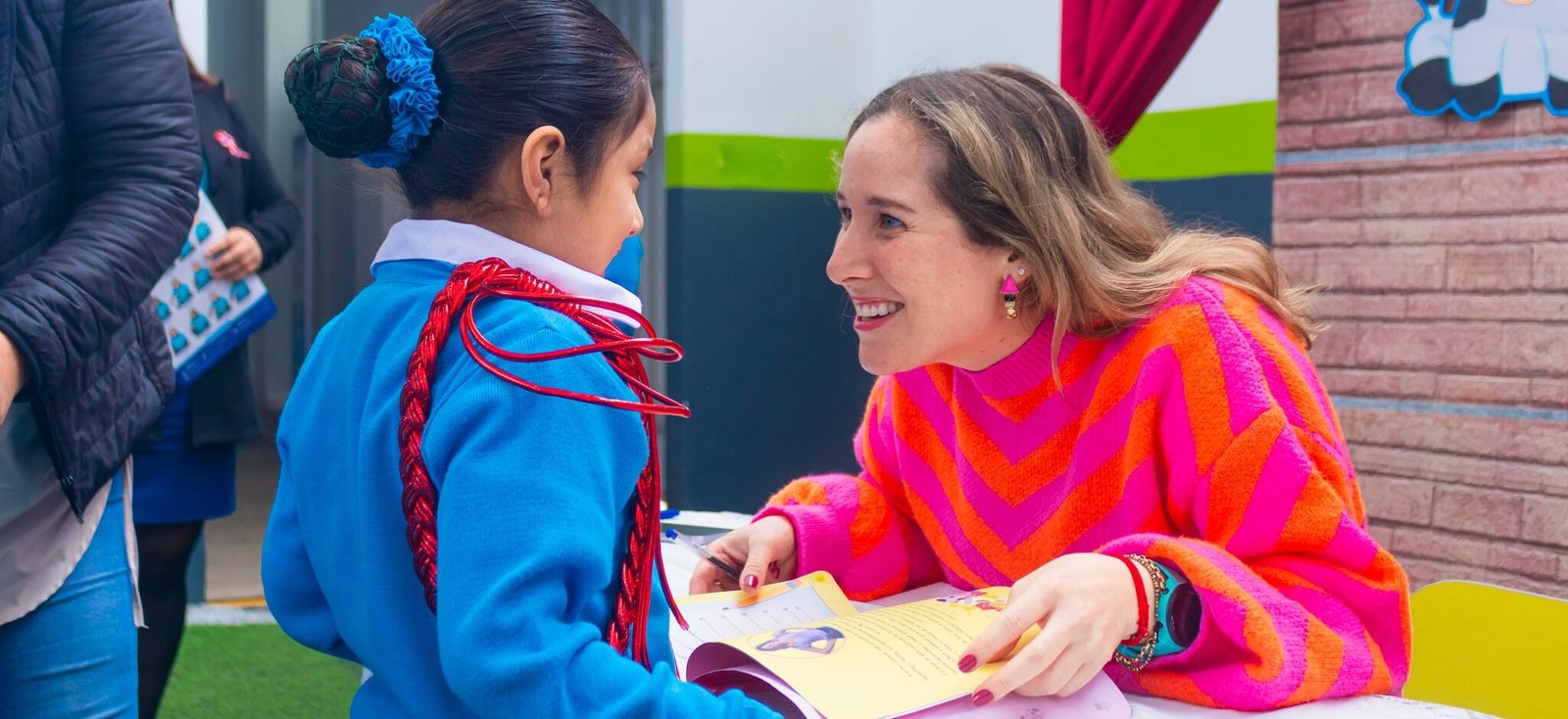
How do children learn to relate to money?
Not only through what we explain to them. They also learn by watching adults, by taking part in everyday decisions and by discovering which responsibilities we give them.
That is why it is important to pay attention to the opportunities we offer to girls and boys.
A U.S. survey by T. Rowe Price, published in 2014, found differences in the financial conversations between parents and children.
Among the results:
These figures come from a survey carried out in the United States and should not be applied directly to Peruvian families. Still, they invite us to reflect on a relevant question: are we offering our daughters the same opportunities to talk and learn about money as our sons?
You can see the survey results at T. Rowe Price: Parents, Kids & Money Survey.
Sometimes the differences do not show up in one big decision. They are built in small everyday moments.
When we talk about how to save for a goal.
When we invite a boy to compare prices.
When we let a daughter decide what to do with her allowance.
When we encourage a son to organize his expenses.
When we allow both of them to try out a business idea, make mistakes and try again.
What we practice from an early age can help us develop the skills and confidence we will need later on.
We do not need to wait for girls to become adults to start talking about financial autonomy.
We can begin with simple actions at home and in the classroom.
Financial conversations should not be reserved for sons or limited to teaching girls to take care of what they have.
Every child deserves to learn what money is, how it is earned, how it is managed and what decisions they can make with it.
We can talk about saving, spending, goals and the value of things regardless of whether we are speaking with a girl or a boy.
The first opportunity is for both to know that money is a topic for them, too.
Autonomy is something you practice.
We can let girls and boys manage a small, age-appropriate amount of money, compare alternatives before a purchase or decide how much to set aside for a goal.
We can also invite them to organize a family activity, plan a simple budget or think about how to use their talents to create something of value.
It is not about leaving them alone with decisions they are not yet ready to make. It is about guiding them as they gradually develop their ability to decide.
When we talk about children’s entrepreneurship, it is important that girls also find spaces to experiment.
They can sell something they made, propose a solution to an everyday problem, organize a small fair or discover how to turn a skill into an opportunity.
And, of course, boys must also learn to collaborate, listen and value the work of others.
Creativity, initiative and the ability to create value have no gender.
In financial education we talk a lot about saving, taking care of money and avoiding unnecessary risks. All of that matters.
But we must also teach how to weigh alternatives, take reasonable risks, recognize opportunities and learn from mistakes.
We want girls to be able to say: “I have an idea,” “I want to try it,” “this is what I decided” and “this is what I learned.”
It is not about always making the perfect decision. It is about developing their own judgment and knowing they can learn to make better decisions.
Let’s ask them what they would like to learn, what they want to achieve and what they could do to get closer to their goals.
Let’s help girls turn a dream into a concrete goal and discover the steps they can take to reach it.
And let’s do the same with boys.
Because financial education is also about understanding that resources are tools for building what we value.
We suggest a simple exercise: “My dream, my plan.”
Invite each girl and boy to think of something they would like to achieve. It could be a book, a game, learning a skill or doing a special activity.
Then talk about these five questions:
Not every dream needs money. And not every goal has to become a savings target.
What matters is that they can practice getting to know themselves, planning, making decisions and recognizing their own abilities.
If you do the activity in the classroom, they can share their ideas in groups and help each other identify possible steps toward their goals.
This way, besides talking about planning, we also work on self-knowledge, organization, collaboration and confidence.

At Edufina we believe financial education should not only produce people who know how to save, invest or manage a budget.
We want to help raise people who know themselves, make responsible decisions, develop their talents, value what they have and build a healthy relationship with money.
And that means recognizing that girls and boys deserve the same opportunities to learn and develop those capabilities.
We cannot promise that a single conversation at home will eliminate the financial gaps that exist in our society. These inequalities are also related to economic, social, cultural and structural factors.
But we can start by reviewing the opportunities we offer in our homes and classrooms.
Do we talk about money with our daughters?
Do we invite them to take part in age-appropriate decisions?
Do we give them room to start something, experiment and make mistakes?
Do we celebrate their ideas and their ability to decide?
Do we teach them that they can build their own goals?
Equal opportunity is also built in those small moments.
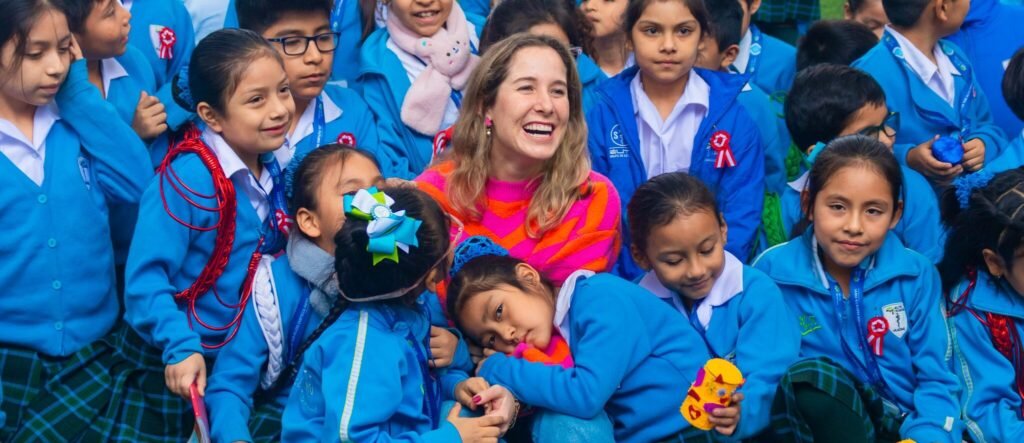
On this International Day of the Girl Child, we want to remember that teaching financial education is also a way to promote autonomy and equal opportunities.
It is not about teaching girls to be more careful with money than boys.
It is about everyone being able to learn, practice and develop the capabilities they will need to make decisions throughout their lives.
At home, at school and in every space where we accompany their growth, we have an opportunity to do better.
Because a girl who learns to know her resources, value her abilities and make decisions is building tools for her future.
And that opportunity should not depend on her gender.
At Edufina we want to keep building a generation that relates to money in a healthy, conscious and responsible way. A generation in which girls and boys can imagine their dreams and develop the tools to turn them into goals.
Financial education is also equal opportunity. And it begins long before adulthood.
Would you like to keep learning with us? We invite you to explore Edufina’s financial education resources, storybooks and workshops to accompany girls and boys in their first steps with money.
Thanks for reading,
Ara

October 22, 2026

October 22, 2026
October 22, 2026
Discover our workshops, storybooks and programs to bring financial education to your home, classroom or company.